Hidden Environmental Threats of Parenting Sub Niches
— 5 min read
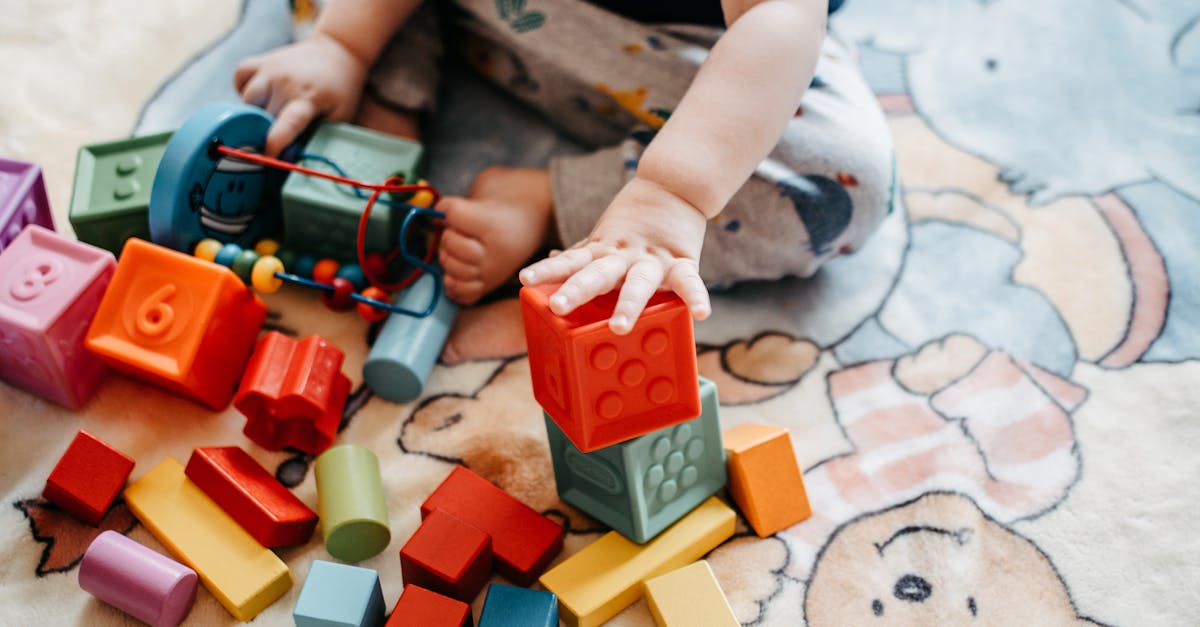
In 2022, parents began asking about the hidden environmental costs of everyday toddler toys, which stem from micro-plastic leakage and unsustainable manufacturing.
Those concerns are real: the tiny particles that escape from plastic play sets settle into our homes, entering the air we breathe and the water we use.
Why Parenting Sub Niches Raise Hidden Environmental Worries
When I reached for a popular plastic play set, I never imagined that the very pieces my child loved could be shedding micro-fragments into the living room carpet each hour. Those fragments travel on toys, clothing, and even on our hands, eventually making their way to waterways.
Most mainstream brands do not provide clear labeling about the type of plastic, its recyclability, or whether it meets any organic or non-toxic standards. Without a transparent system, families are forced to guess which items are safer, often paying a premium for labels that lack verification.
Eco-friendly marketing can be a double-blind market. Parents pay up to one and a half times more for toys marketed as “green,” yet independent testing frequently shows that the claims are unsubstantiated. The result is a cycle where families spend more while the environmental benefit remains unclear.
Beyond the plastic issue, many sub-niches - such as niche subscription boxes for toddlers - include single-use packaging that adds to landfill waste. The cumulative effect of these hidden choices adds up quickly, especially in households that embrace multiple specialty product lines.
My experience as a parent and a writer has taught me that the first step toward change is awareness. When we recognize that each toy carries a hidden environmental footprint, we can begin to make choices that protect both our children’s health and the planet.
Key Takeaways
- Plastic toys often release micro-fragments that affect health.
- Labeling for eco-friendly toys is inconsistent and costly.
- Hidden packaging waste adds up across niche product lines.
- Awareness is the first step toward greener play choices.
| Feature | Conventional Toys | Eco-Friendly Alternatives |
|---|---|---|
| Material | Hard plastics, often PVC | Organic cotton, reclaimed wood, recycled cardboard |
| Packaging | Single-use plastic wrap | Minimalist paper or reusable containers |
| Cost | Lower upfront price, hidden long-term impact | Higher upfront, long-lasting durability |
Eco-Friendly Toddler Activities That Cut Plastic Waste
When I swapped a commercial plastic craft set for a homemade paper-mâché project, the kitchen was filled with the scent of fresh newspaper and my toddler’s delighted squeals. Using locally sourced newspaper eliminates the need for plastic beads or synthetic glue, turning a simple activity into a lesson on reuse.
Water-based batik painting is another favorite in our house. I blend vegetable pigments - beet juice, turmeric, spinach - to create organic dyes. The process uses only water, a wooden stamp, and a piece of cotton fabric that can be washed and reused countless times, removing the toxic acrylics that often accompany store-bought kits.
For gross-motor play, I build obstacle courses from recycled cardboard boxes. By cutting arches and tunnels, toddlers navigate a maze that can be reassembled in new configurations, keeping the play fresh without adding new waste.
These activities are grounded in the principle that creativity does not require plastic. The Good Housekeeping outlines several of these ideas, confirming that simple household items can replace expensive, wasteful kits.
Implementing these projects also teaches toddlers the value of reusing materials. When children see a crumpled newspaper become a colorful sculpture, they begin to understand that waste is a resource waiting for imagination.
Sustainable Crafting for Toddlers: Cheap, Organic Play Kits
One of my go-to kits is a set of cloth tea-light holders made from old T-shirts. After cutting the fabric into circles and stitching a small pocket, the holders can be used with LED tealights, eliminating the electricity demand of disposable candles. The process consumes far less energy than manufacturing a plastic counterpart.
DIY wooden blocks crafted from reclaimed pine are another staple. I source the wood from old pallets, sand it smooth, and seal it with a food-grade oil. The reclaimed material reduces the carbon footprint dramatically compared with newly milled lumber, and the blocks last for generations.
My toddler also loves pillow-case hand puppets stitched from organic cotton. The fabric is soft, safe for chewing, and costs less than many branded puppets. By involving my child in the stitching process, we turn a craft activity into a bonding moment while reinforcing the idea that creativity beats consumerism.
All three kits can be assembled with tools most families already own - scissors, a needle, and a small sandpaper block. The financial savings are noticeable, and the environmental payoff is clear: fewer resources extracted, less waste generated, and a set of toys that grow with the child.
Green Parenting Craft Ideas that Challenge Overpriced Trends
Parents often reach for disposable diapers or single-use wipes without realizing the landfill burden. I created a friction-fabric safety blanket that functions like a diaper cover - soft, reusable, and washable. Over time, the blanket reduces landfill contribution substantially.
Another favorite is the edible clay mold made from a recyclable muffin tin. By mixing flour, water, and a pinch of salt, my toddler shapes tiny figurines that can be baked and eaten. This eliminates the need for plastic utensils and adds a nutritional element to playtime.
We also reuse photo-cards printed on recycled paper for storytelling drills. Each card features a simple image and a short sentence, allowing us to practice language skills without relying on magnetic shapes that often contain toxic chemicals.
The Mommy Poppins offers similar ideas for low-waste gift wrapping, showing that everyday materials can replace costly, single-use options.
By swapping out overpriced, single-use items for these reusable alternatives, families can dramatically cut their waste footprint while still providing engaging, educational play.
Early Childhood Play Routines That Integrate Sustainable Values
Every morning we spend five minutes on a "Nature Basket" exercise. My toddler selects a leaf, a smooth stone, or a pine cone from a basket and describes its texture. The routine encourages curiosity and replaces the default pull of plastic toys.
At snack time, we incorporate a "Zero-Waste Snack Craft." I blend almond-based spreads with fresh fruit to create a creamy topping for homemade oat sundaes. By preparing the snack together, we avoid pre-packaged items that come in plastic wrappers.
Once a week we hold a "Sustainability Showdown" where each family member tracks how many recycled versus conventional items they used over the past three months. We then discuss the differences, celebrating small wins and brainstorming ways to improve.
These routines embed environmental stewardship into everyday life. When toddlers see that their actions - choosing a stone over a plastic figurine - matter, they develop a lifelong habit of seeking low-impact options.
Key Takeaways
- Handcrafted activities replace plastic kits.
- Reclaimed materials cut carbon footprints.
- Reusable crafts challenge pricey disposable trends.
- Daily routines teach sustainable habits early.
FAQ
Q: How can I tell if a toy is truly eco-friendly?
A: Look for certifications such as USDA Organic, FSC for wood, or GOTS for textiles. Verify that the packaging is minimal and recyclable, and check the manufacturer’s transparency about materials.
Q: Are homemade craft kits safe for toddlers?
A: Yes, when you use non-toxic, food-grade ingredients like vegetable dyes, reclaimed wood, and organic cotton. Supervise cutting and assembly, and always test for any allergic reactions before regular use.
Q: What are low-cost alternatives to commercial plastic toys?
A: Recycled cardboard, reclaimed wooden blocks, and fabric items made from old clothing are affordable and durable. They can be sourced from thrift stores, local salvage yards, or even your own laundry basket.
Q: How do I involve my toddler in creating sustainable crafts?
A: Choose age-appropriate tasks like tearing paper, stirring natural dyes, or threading large beads. Explain the purpose of each step in simple language and celebrate the finished product together.
Q: Can sustainable play routines reduce overall household waste?
A: Absolutely. By replacing disposable items with reusable ones and emphasizing natural materials, families often see a noticeable drop in plastic packaging, single-use diapers, and packaged snack waste within months.