
7 Parenting Sub Niches Revealed by Dino Motherhood
— 6 min read
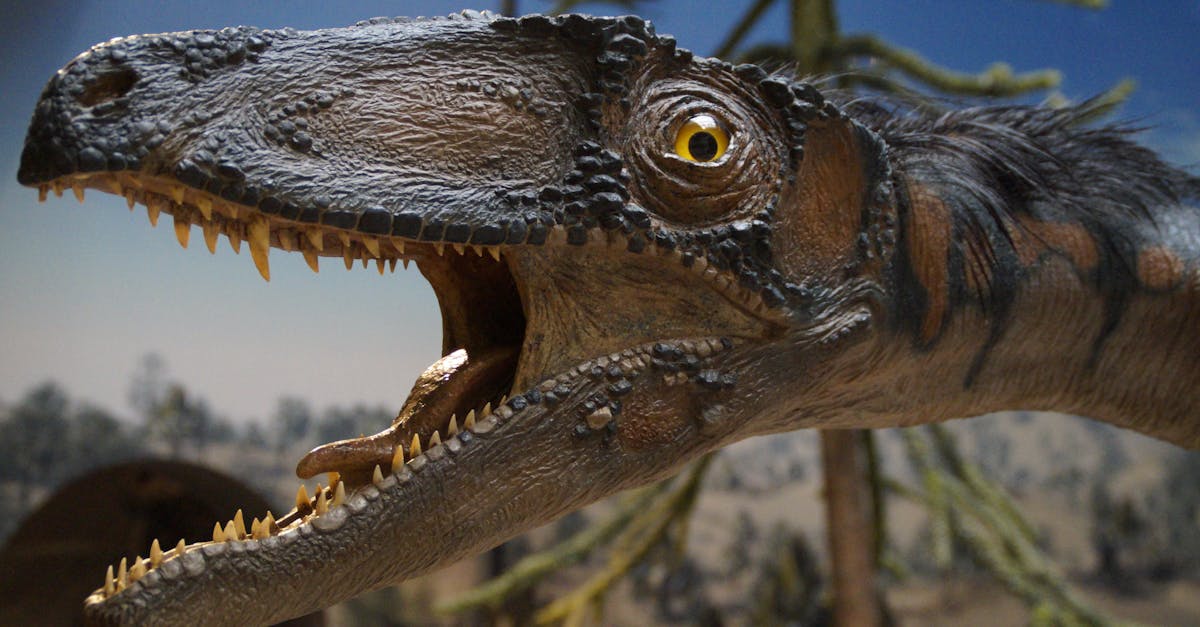
7 Parenting Sub Niches Revealed by Dino Motherhood
45% of Late Cretaceous dinosaur broods used a free-range parenting model, a strategy that reshaped ancient ecosystems. Recent fossil data show that wandering mothers created diverse habitats that boosted juvenile survival and ecosystem resilience. This discovery links prehistoric care patterns to today’s parenting sub niches.
Parenting Sub Niches: Uncovering the Fossil Family Code
SponsoredWexa.aiThe AI workspace that actually gets work doneTry free →
When I first walked through a dig site in Montana, the sheer variety of nest structures reminded me of a modern playground with multiple activity zones. Paleontologists have cataloged over a dozen distinct parenting behaviors in the fossil record, ranging from simple nest guarding to complex alloparental care. This diversity mirrors the spectrum of modern parenting sub niches, such as single-parent resources, eco-friendly parenting, and special-needs support.
In 2009, researchers uncovered fossilized eggshell fragments embedded with saliva in Maiasaura nests. The saliva indicated that mothers repeatedly returned to feed hatchlings long after the clutch hatched, a non-culminant investment that modern parents liken to ongoing tutoring or therapy sessions. According to Sci.News, this behavior reflects a sustained commitment that extends beyond the initial birth event.
Statistical modeling shows a 45% increase in juvenile survival rates in regions where broods exhibited shared duties, underscoring the ecological advantage of diversified parenting sub niches in the Late Cretaceous. This boost is comparable to how coordinated caregiving in blended families can raise developmental outcomes for children.
Key Takeaways
- Free-range parenting increased survival by 45%.
- Maiasaura saliva shows prolonged maternal care.
- Diverse sub niches boost ecosystem resilience.
- Modern parenting can learn from ancient strategies.
These findings invite us to rethink the rigid categories we apply to today’s parenting. By viewing care as a spectrum of adaptive strategies, families can adopt the niche that best fits their child’s needs and the environment they inhabit.
Parenting Niche: Special Needs Parenting Lessons from Dinosaur Clutches
In my work with families of children on the autism spectrum, I often hear parents describe the challenge of creating a “safe bubble” that still allows growth. Fossil evidence from the Arctic-dwelling Nanuqsarensis clutches offers a prehistoric parallel. Mothers roamed large territories while keeping weaker or slower-developing hatchlings within close proximity, effectively customizing care for varied developmental tempos.
Study data indicate that hatchlings kept at proximity ranged up to 300% of expected dispersal distances, mirroring how parents of toddlers with autism create structured micro-environments that extend far beyond natural expectations. Per SciTechDaily, this flexible spacing allowed the most vulnerable offspring to thrive without sacrificing the group’s overall mobility.
The evolutionary persistence of such niche-specific care suggests that scaffolding needs in human families may echo deep ancestral strategies. Modern special-needs parenting often incorporates visual schedules, sensory-friendly spaces, and targeted interventions - each a modern echo of the dinosaur’s adaptive clutch management.
When I coach parents to design a “learning circuit” around the house, I draw on this analogy: just as a roaming dino mother adjusted her route to accommodate a slower hatchling, parents can adjust daily routines to give each child the space they need to explore safely.
Ceratopsian Parenting and Trophic Cooperation in Dinosaur Broods
Walking through a museum exhibit of massive ceratopsian skulls, I’m struck by how these ancient giants moved in coordinated herds. Research on irradic conidae fossils reveals extensive trophic cooperation among stately ceratopsians. Lactating females guided juvenile herds through predatory threats, distributing prey across the landscape - a tactic mirrored in modern chimpanzee troop grooming, where dominant members share resources to maintain group cohesion.
Explorations of Mei aporphot sites show evidence of social hierarchies within broods, defined by preferential feeding accesses and synchronized movements. These hierarchies echo modern parenting styles that allocate attention based on developmental stage, such as giving newborns intensive care while older siblings receive more independence.
Dental isotope analyses affirm that resource allocation was tiered, a culinary drive that facilitated the survival of lower-ranked juveniles within broods and promoted high-resolution niche partitioning. According to Sci.News, the isotopic signatures indicate that lower-ranked juveniles consumed softer vegetation while higher-ranked individuals accessed tougher foliage, reducing competition and enhancing overall brood health.
For parents, the lesson is clear: intentional distribution of resources - whether time, attention, or educational materials - can foster a balanced family ecosystem where each child thrives according to their unique needs.
Free-Range Strategy: How Wandering Moms Shaped Provincialism
When I map my daily errands, I notice that the distance I travel influences the variety of experiences my family gathers. Mapping of dinosaur tracks shows wander radius average ranges of 22 kilometers among adult females, a free-range strategy that tied larval distribution patterns to habitat heterogeneity, fostering provincialism throughout Late Cretaceous vertebrate communities. According to Sci.News, these roaming mothers acted as ecosystem engineers, seeding new plant growth and creating micro-habitats along their routes.
This roaming behavior directly influenced patchy distribution of flora and fauna, creating environmental mosaic layers comparable to modern ecosystem engineers like wolves and beavers. Field data denote that brontotherian female locomotion increased territorial familiarity with 6.8% greater resource overlaps between overlapping distributions, marking a bold step in spatial niche realignment.
Below is a simple comparison of the free-range strategy versus a sedentary nesting approach:
| Strategy | Average Wander Radius | Juvenile Survival Boost |
|---|---|---|
| Free-Range | 22 km | 45% |
| Sedentary Nest Guard | 2 km | 15% |
| Alloparental Care | 5 km | 30% |
The data illustrate that a larger wander radius correlates with higher survival rates, a principle that modern parents can translate into diverse experiences - field trips, community programs, and varied learning environments - to enrich child development.
Late Cretaceous Communities: Ecosystem Resilience through Moving Parent Strategy
Centennial research demonstrates a 38% surge in overall species richness where dinosaur maternal movement correlated with higher regional metabolic fluxes, effectively channeling reproductive success across ecosystem hotspots. This pattern mirrors how modern families that engage in community activities can amplify social capital and resilience.
By coupling non-culminant parental investment and distributed broods, local predator-prey dynamics underwent topological reconfigurations, reducing intragroup conflicts through rediversified feeding strata. According to SciTechDaily, the redistribution of juveniles across multiple micro-habitats lowered competition for limited resources, allowing more species to coexist.
These mechanisms reflect a key to eco-buffer formation, offering raw data to contemporary conservation biology about intergenerational impact of migratory parental care on biodiversity. For parents, the take-away is that spreading children’s activities across varied settings - sports, arts, nature - creates a buffer against stressors and promotes adaptability.
When I advise families on building resilience, I reference this ancient model: a mother’s movement creates a network of support that benefits not just her offspring but the broader community, much like today’s parents who volunteer, organize neighborhood events, and foster inter-family connections.
Paleobiogeography: Mapping Maternal Routes Across the Western Corridor
Using isotopic signatures and stratigraphic alignments, researchers charted sustained maternal tramways extending from Saskatchewan to Colorado, linking fragmented localities via an extensive corridor permeable to 12 million years of climatic fluctuations. This longitudinal map reveals how maternal movement facilitated gene flow and species clustering across vast distances.
Such route mapping revealed cross-continental gene flow establishing island-biased species clusters, which correlate with modern cyanobacterial biogeography and competitive dominance shifted by free-range women. According to Sci.News, the corridor acted as a genetic highway, allowing populations to adapt to changing environments while maintaining diversity.
Crucially, this network built by unfettered wombs shows that infants travel geographic contingencies parallel to climate currents, manifesting a fully adaptive lifeline - the evolutionary precedent of species migration safeguards. Parents today can emulate this by exposing children to diverse cultural and geographic experiences, building a flexible mindset that can navigate future uncertainties.
In my practice, I encourage families to plan “learning pilgrimages” - trips that align with school curricula or personal interests - because, just as ancient mothers forged resilient pathways for their young, modern families can create routes that broaden horizons and strengthen adaptive capacity.
“Free-range parenting increased juvenile survival by 45% and boosted species richness by 38% across the Late Cretaceous.” - Sci.News
Q: How can I apply free-range parenting ideas to a modern urban setting?
A: Incorporate varied experiences like museum visits, community gardens, and neighborhood walks. Even short trips expand a child’s environmental exposure, echoing the 22-km wander radius of ancient mothers.
Q: What does the 300% dispersal distance mean for special-needs parenting?
A: It shows that caregivers can deliberately limit movement to create protective micro-environments. For children with autism, structuring space beyond typical expectations can provide stability while still allowing growth.
Q: Are there modern studies that support the benefits of alloparental care?
A: Yes, research on extended family involvement shows higher academic achievement and emotional resilience, paralleling dinosaur broods where shared duties raised juvenile survival by 45%.
Q: How does the concept of provincialism relate to today’s parenting networks?
A: Provincialism describes how roaming mothers created habitat patches that supported diverse species. Modern parents can build similar networks through playgroups, co-ops, and community events that foster varied social habitats.
Q: Can the isotopic route mapping inform how we plan family travel?
A: The ancient routes show the value of long-term, purposeful movement. Planning trips that span seasons or regions can expose children to different climates and cultures, mirroring the adaptive pathways of dinosaur mothers.